 Symbi Biological
The Hopper Hopper
-

- Cut water jug
-
- Collection container
-
- Inside the hopper hopper
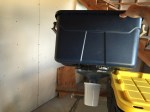
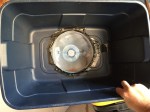
Corralling crickets can be quite crazy at times. The mealworms are much, much easier to catch, that’s for sure. After a couple cricket harvests, it seemed like there must be a better way to collect them. So I cut open a water jug to use the inverted top as a funnel and taped it into a storage bin to create a hopper for all those hoppers. This allows me to take the egg crates where the crickets hide and gently tap the cardboard crate on the sides of the bin and the crickets fall inside. After giving it a go, it works beautifully. The crickets gently fall into the tub where they can be weighed and then sent to the freezer.
Mighty Mite-y
Grain mites have infested the mealworm bins. The first bin that was started has rolled oats and chicken mash as bedding and it is about 70% humidity. A quick look on the web will tell you that grain mites like humid conditions with a lot of food sources. What to do now? Well, if I take a good honest look at that first bin, it’s pretty overcrowded and full of molts(mealworm skin), which combined with the humidity level is a perfect culture for the grain mites to thrive. If only the grain mites were easier to harvest, I’d add them to the fish food project. Alas, they are like specs of dust. The first bin is pretty infested so it’s going to the chickens. The other bin is all adults (darkling beetles) laying eggs and the mites are there, but not going crazy. Definitely going to keep an eye on them and see if I need to be doing something different. There was a mite infestation when the wormery first got started. It freaked me out a little, but it was partly due to humidity and after time and better management, they got under control. I’m hoping this is the case here with the mealworms.
Measure to Manage- Aquaponics Nutrient Analysis Report
I gotta say it’s really fun to take these measurements and see how the system performs. Up until getting the photometer, I only had a rough idea of what was truly in our system. The little test strips can tell you whether or not you are screwing up, but they really can’t tell why you are screwing up. Being able to measure and record what is actually happening is extremely informative and empowering.
Here are the results:
| NO3 | NO2 | P | PO4 | K | Ca | Mg | SO4 | Alkalinity | Na | Fe | NH3 | EC | pH | |
| AP 2/10/15 |
60 |
12 |
14 |
56 |
1450 |
80 |
230 |
120 |
110 |
1.2 |
0.08 |
2.17 |
7.08 |
|
| AP 2/17/15 |
65 |
15 |
14 |
54 |
1250 |
80 |
230 |
130 |
95 |
1.1 |
1.0 |
2.18 |
7.03 |
|
| AP 3/10/15 |
65 |
6 |
14.5 |
52 |
1050 |
80 |
220 |
120 |
105 |
1.1 |
0.8 |
2.20 |
7.1 |
|
| AP 3/30/15 |
60 |
10 |
14 |
54 |
850 |
80 |
200 |
105 |
110 |
1.2 |
0.6 |
2.21 |
6.97 |
|
| AP 5/1/15 |
50 |
6 |
14.5 |
56 |
650 |
60 |
145 |
75 |
145 |
190 |
1.0 |
1.2 |
2.24 |
6.94 |
| AP 5/15/15 |
50 |
8 |
14 |
50 |
400 |
70 |
140 |
85 |
150 |
190 |
1.0 |
1.1 |
2.08 |
7.11 |
| AP 6/1/15 |
38.5 |
12 |
15 |
30 |
250 |
70 |
150 |
100 |
195 |
190 |
0.79 |
0.8 |
2.12 |
7.18 |
| AP 6/23/15 |
35 |
14 |
15 |
30 |
250 |
50 |
150 |
100 |
90 |
190 |
0.93 |
1.46 |
1.97 |
7.0 |
| AP 6/30/15 |
33.1 |
8.2 |
8.2 |
53.4 |
140 |
50 |
130 |
85 |
130 |
190 |
0.82 |
1.15 |
1.85 |
7.2 |
| AP 7/6/15 |
20.5 |
5 |
18.2 |
59 |
180 |
40 |
120 |
60 |
115 |
190 |
2.53 |
1.06 |
1.94 |
7.3 |
| AP 7/13/15 |
28.2 |
4 |
18.2 |
51.2 |
185 |
60 |
110 |
90 |
110 |
200 |
2.12 |
1.1 |
2.0 |
7.3 |
I’ve been keeping this spreadsheet along with notes of when we clear the swirl filter and net tank along with additions of water and things like iron or calcium carbonate.
A quick look at the numbers shows a few little things:
The Beetles!
-

- Pupating mealworm
-

- Young Darkling Beetle
Well, they sure do grow up quick! Last week, I saw what looked to be a pupa here and there. Turns out, they were definitely pupae and we have quite a few beetles. It’s really neat how the meal worms turn into these nice rust-brown colored beetles before going all goth on us calling themselves Darkling Beetles with their black exoskeletons. The emerging adults have now been moved to their own bin. Next, I will wait for them to reproduce and lay super tiny eggs that you can’t see. And similar to the crickets, the adults eat the eggs. Now how the heck am I supposed to know when to pull the eggs out?! Apparently, they lay a 100 or so each, so you just need to remove the bedding periodically and there should be more than enough to keep the meal worm train chugging.
Mealworms Inside Their Bin
Here’s a look at the Mealworms inside their habitat, which is currently located where we raise the crickets. Once the adult darkling beetles emerge, they will be moved to their own bin to encourage reproduction and to keep them from eating the young mealworms, which isn’t a very nice thing to do.
Mealworms!!


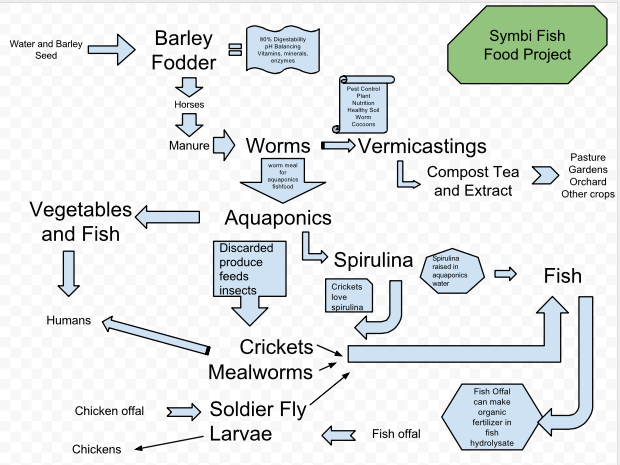
We have a lot of darkling beetles on TomKat Ranch, which also happen to be adult mealworms. Since they’re already on the property and highly nutritious at almost 50% protein and 40% fat, it makes good sense to add mealworms to the Fish Food Project. They’re relatively easy to raise and have some similarities to crickets, except they are infinitely easier to handle since they cannot jump! It can take up to 3 months to get adult darkling beetles and they lay eggs quickly after that. Apparently, they lay a lot of eggs so getting a population going sounds relatively simple. Currently, they are located in the cricket room and will be moved to their own space very soon. It should be an interesting process to share!
Crickets Are Full of Themselves
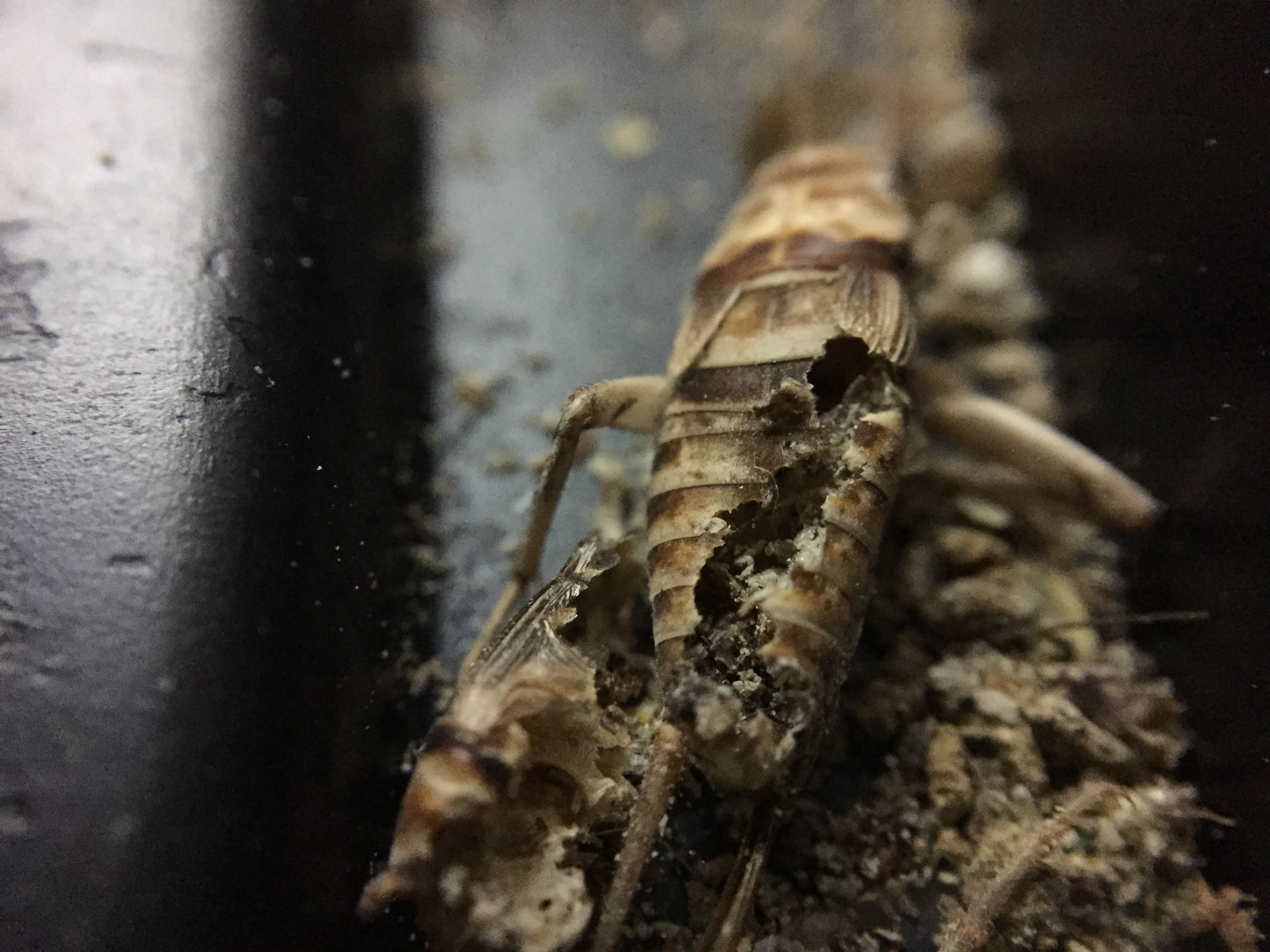

You know the insect world is a pretty brutal place. Raising crickets has really opened my eyes to this observation. I was telling the cattle team the other day to imagine if cattle were like crickets, the adult cows would eat the calves if you kept them together in the same paddock. And if you kept the cattle for too long in the pasture, they would eat each other. That’s the difference between cattle ranching and cricket ranching. As the crickets grow, it’s important to monitor each bin to see if they are laying eggs. Read More
Measure to Manage- Sodium

There’s an old saying, “You can’t manage what you can’t measure.” I sure know this to be true. Over the last couple years as I was learning how my system behaves, I constantly wondered what was going on in the water. I used the standard test strips and EC/pH meter, but beyond that, I was flying by the seat of my pants and obsessing over the nutrition of my plants. Of particular concern, was sodium. We have well water that has 200ppm of sodium and most plants are happy with sodium levels between 40-80ppm. Lettuce likes even less than that. Read More
Balanced Worm Bin
When I started the worm bin, the idea was to process the horse manure we have on site into worm castings and also protein for the fish in the aquaponics system. I experimented with various ways to “herd” the worms using sunlight and moisture to drive them into collection containers. All of the methods worked, but they weren’t really practical for someone to do beyond just a tray here or there. The Continuous Flow Through Reactor style worm bin we have is great because the worms stay in the top layers making it easy to grab a handful of them. Unfortunately, you also get a handful of fibers and shavings that have yet to decompose due to their high carbon content. I found that adding the discarded greens from the aquaponics system helps balance the C:N ratio on the top of the bin leading to some really dark, beautiful worm castings. This is excellent because now the worms can be run through a trommel without the fiber getting caught up in the screen.
 Symbi Biological
Recent Comments